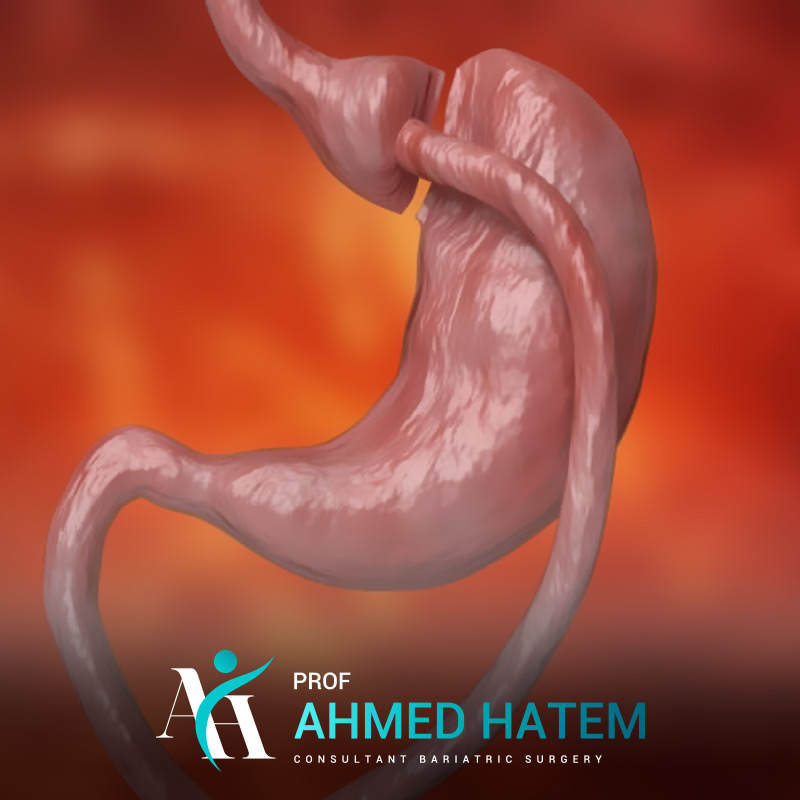
Gastric Bypass Surgery
Gastric Bypass is a surgical procedure that helps you lose excess weight by changing the way your digestive system handles the foods you eat.
This surgery depends on reducing the size of the stomach; This causes a feeling of fullness when eating small amounts of food, and the ingested food does not go to some parts of the stomach and small intestine that absorb the food. That's why your body will not get all the calories in the ingested food.
When you decide that you need bariatric surgery, after going through strenuous attempts to lose excess weight, you should go to Dr. Ahmed Hatem, consultant of bariatric and laparoscopic surgeries. He will guide you on the most appropriate procedure for your health condition, weight, and degree of obesity.
Gastric Bypass Surgery is the choice in the following cases:
- BMI is up to 40 or higher.
- BMI is 35 or higher associated with serious health problems, such as type 2 diabetes, hypertension, or severe sleep apnea.
- Unsuccessful previous attempts to lose weight through diet and exercise.
- The suggestion may be the result of studying patient situations from several aspects, as there are other considerations and factors to determine candidates for laparoscopic bypass surgery.
Steps of the Gastric Bypass Surgery:
At the beginning of this surgery, you will receive general anesthesia under the supervision of expert anesthesiologist and with the latest anesthesia equipment that considers the patient's general health condition. Surgery is then divided into two main steps:
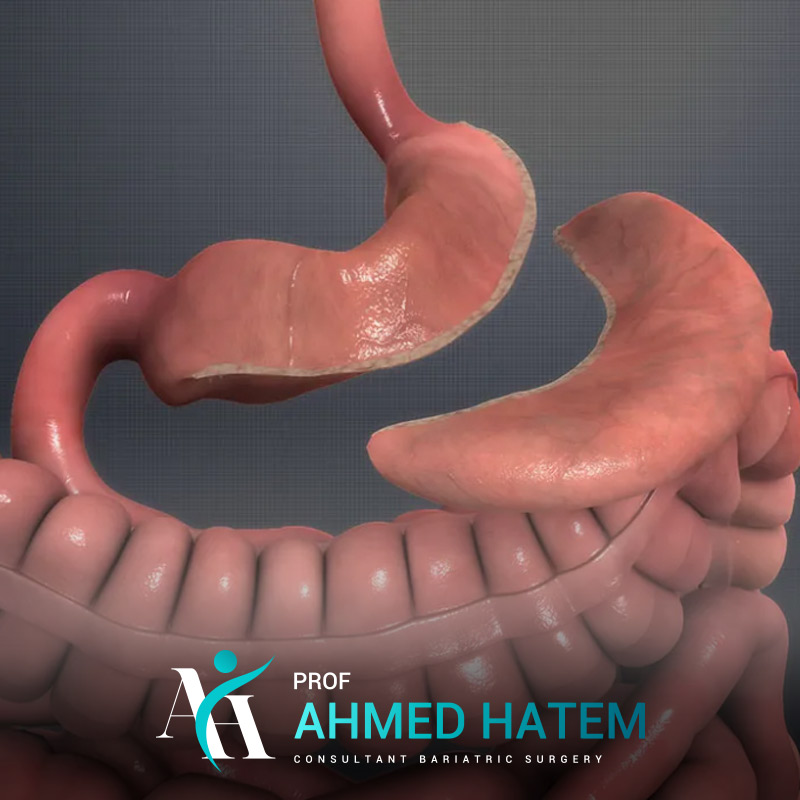
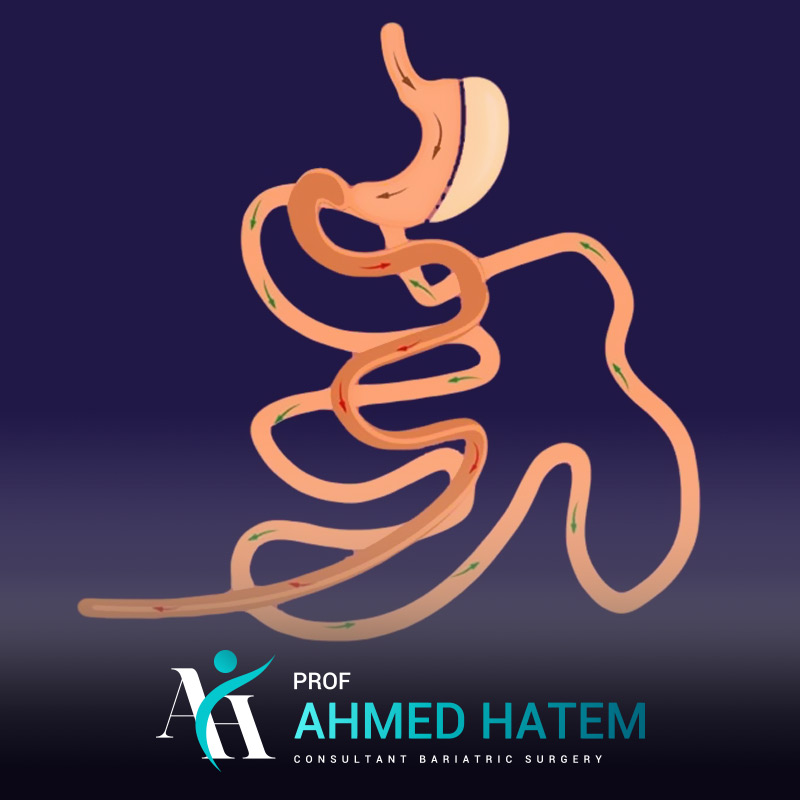
The first step: is to reduce the size of the stomach, where Dr. Ahmed Hatem uses advanced surgical staples to divide the stomach into a small upper section and a larger lower section. The upper part of your stomach, called a pocket, is where the food you eat will go. Therefore, you will eat less due to the small size of the space compared to the normal size of the stomach, which causes you to lose weight easily.
The second step: is to divide the small intestine and raise the lower part to connect it to that pocket; so the food you eat now will go straight from your pocket to your small intestine. As a result, your body will absorb fewer calories than that present in your meals since food does not pass through the upper part of the intestine responsible for the absorption step.
Finally, the upper part of the small intestine is connected to the lower part, where gastric acids and digestive enzymes, from the bypassed parts, digest food normally.
These two steps are done with Dr. Ahmed Hatem using a small camera called a laparoscope. This camera allows the surgeon to see the internal organs in high-resolution detail. This helps ease of vision due to the clarity and amplification of the images on the display screen inside the operating room.
In this surgery:
- The surgeon makes 4 to 5 minor cuts in the abdominal area.
- The laparoscope and the surgical tools needed to perform the surgery are inserted through these openings.
- This camera is connected to a video monitor in the operating room, as already mentioned, which adds more accuracy and clarity to the surgery.
The advantages of laparoscopic bypass over open surgery include:
- Shorter hospitalization and faster recovery.
- Less pain because of the small size of the incisions.
- Smaller scars that do not exceed 1 cm.
- Lower risk of surgical hernia, as there is no extended wound.
- Reducing the risk of infection, especially with Dr. Ahmed Hatem who depends on single-use surgical tools to ensure the highest sterilization.
Your expectations after Gastric Bypass:
- In the first period after surgery, be ready to eat liquid foods only, starting with sugar-free transparent fluids, up to non-transparent liquids such as soup, then turning into mashed food, and finally into solid foods a few weeks later.
- Be ready to change your dietary habits after gastric bypass surgery to maintain your health while losing weight.
- Be ready for the use of life-long vitamin and mineral supplements to replace the nutrients that are naturally absorbed in the first part of the small intestine, which has been bypassed. These supplements avoid long-term vitamin and mineral deficiencies, particularly the reduction of vitamin B12, iron, calcium, and folic acid.
- Be ready to follow your diet guidelines and do more physical activity to obtain the best results.
- Be ready to avoid tobacco products because of their negative effect on wound healing and their harmful effects on public health.
Ideal weight with Gastric Bypass:
Bypass surgery works in several ways, which unite in its impressive results in losing excess weight, the most important of which are:
1- Restrict the amount of food your stomach holds, as the newly created pouch is smaller.
2- Reducing the calories that your body absorbs because the food is not in contact with the first part of the small intestine, which leads to a reduced absorption rate.
3- Modifying the food path, through the digestive system, has a profound effect in reducing hunger, increasing feelings of fullness, and allowing the body to reach and maintain a healthy weight.
4- Altering gastrointestinal hormones provides long-term fullness feeling, suppresses appetite, and reverses the metabolic disorder caused by obesity.
Gastric Bypass benefits:
- Reliable weight loss in a short period, as statistics indicate a loss of 60 to 80% of excess weight.
- Weight loss results are permanent and long-term, with data indicating that most patients maintain more than 50% of their results for long periods, up to 20 years after surgery.
- Laparoscopic bypass surgery is effective in treating obesity-related illnesses, such as knee pain, obstructive sleep apnea, hypertension, and type 2 diabetes.
Therefore, laparoscopic bypass surgery helps to stop type 2 diabetes medications, or at least reduce their doses significantly. Research has shown that undergoing Gastric Bypass surgery has led to the recovery of 7 out of 10 patients with diabetes as an accompanying disease of obesity, due to low-calorie absorption rates, improved efficiency of pancreatic insulin secretion and better insulin receptors functioning.
Dr. Ahmed Hatem is a consultant bariatric and laparoscopic surgeon who makes your stomach and small intestine change the process of digesting and absorbing food, through Gastric Bypass surgery to have a life free of obesity and health diseases.