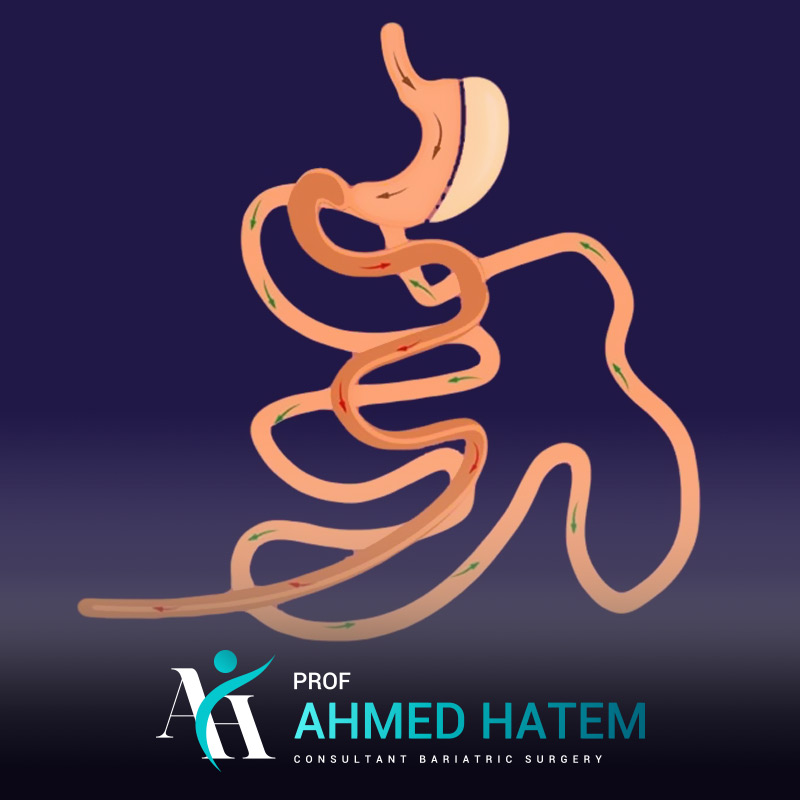
SASI Surgery
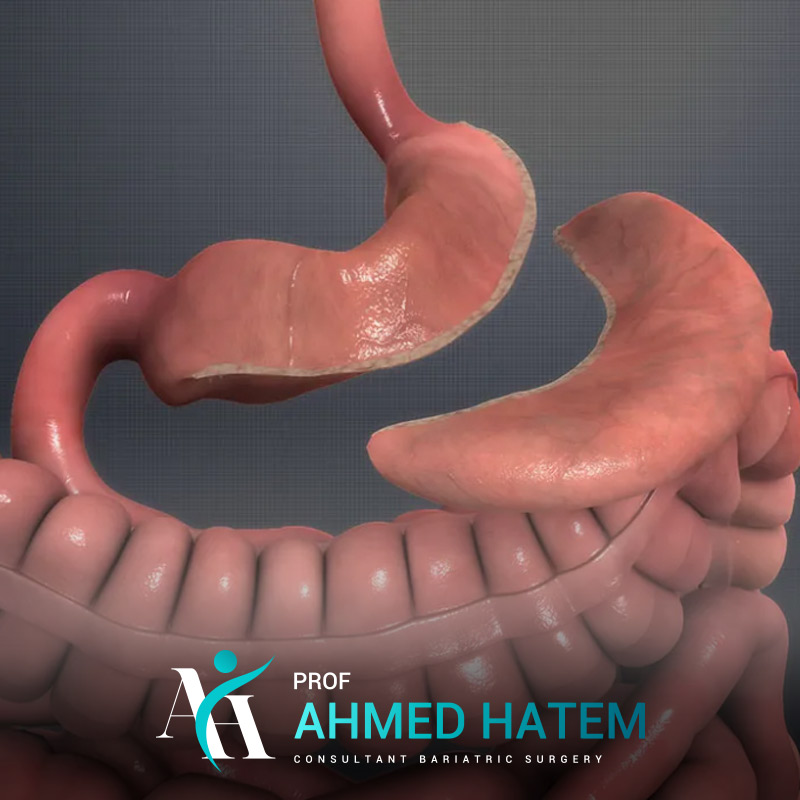
SASI Surgery is one of the surgeries that have appeared recently to eliminate obesity. It relies on two steps alongside each other, namely gastric sleeve and gastric bypass.
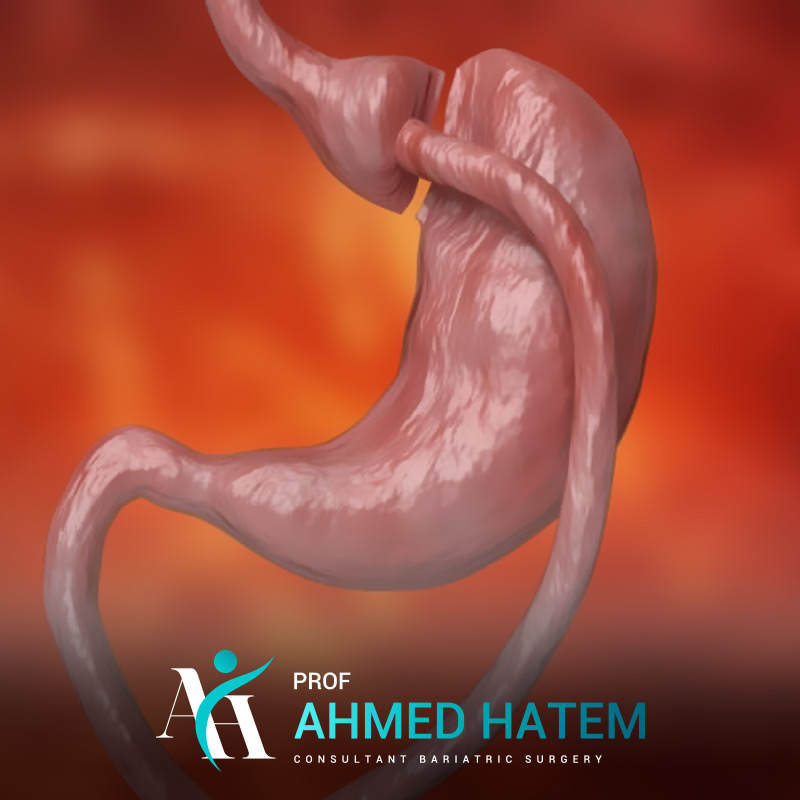
SASI Surgery combines the benefits of gastric bypass and sleeve gastrectomy to effectively treat severe obesity. During the surgery, a large portion of the stomach is removed to reduce a person's ability to eat and reduce the level of the hunger hormone, while the lower part of the stomach is attached to the distal small intestine so that food bypasses part of the small intestine, resulting in fewer calories absorption by the body.
Is SASI Surgery suitable for you?
To find out if you are a candidate for the SASI weight loss surgery, ask Dr. Ahmed Hatem, consultant of bariatric and laparoscopic surgeries, to help you choose the optimal surgery among the various bariatric surgeries. Here are SASI surgery criteria:
- People aged 18 to 65 years.
- Patients with a body mass index greater than 35.
- Patients with a body mass index greater than 30 with some obesity-related diseases, such as type 2 diabetes, hypertension, sleep apnea, joint pain, and spine.
Important tips before SASI Surgery:
- Consult a specialized doctor with great experience and search for evidence of his skill in his patients' reviews, watching their impressive success stories, excellent health condition, and their steady weight after reaching the ideal weight. All these indicators represent the keys of the search for the best doctor, Dr. Ahmed Hatem, a consultant in bariatric and laparoscopic surgery.
- Perform the necessary tests such as CBC, liver and kidney functions, and thyroid functions blood tests. Some cases may require X-rays on the abdomen and gallbladder.
- Make sure to eat healthy food that contains few calories, and it is recommended to eat more protein while avoiding soft drinks and fat-rich foods because of their high-calorie content.
- Quit smoking because of its negative impact on the rate of wound healing and recovery after surgery.
- Fasting from eating or drinking, the night before the surgery.
SASI Surgery steps:
1- The SASI Surgery is performed by laparoscope through several small incisions in the abdominal wall, which are used to insert surgical tools and the laparoscope, which is equipped with a camera to photograph and amplify the body’s organs, to provide high-resolution images to the surgeon. These images are displayed on a screen inside the operating room. This elevates accuracy of performance as a result of clear visibility.
2- Dr. Ahmed Hatem, consultant of bariatric and laparoscopic surgeries, removes part of the stomach longitudinally, which includes removing cells that secrete Ghrelin, or the hunger hormone.
3- Then Dr. Ahmed Hatem connects the new stomach with the small intestine. Thus, part of the food goes to the normal food path and the other part goes from the stomach to the intestine directly through this new connection.
4- The previous two steps are done using the latest modern American staplers, which are characterized by reducing the incidence of bleeding or leakage.
5- The leak test is performed during and at the end of the surgery, and it includes tracing the passage of a blue liquid inside the digestive system until it passes outside the body without any leakage of that liquid. This procedure is done to raise safety rates to the highest levels.
6- The surgery takes 45 to 60 minutes, and the patient can leave the hospital after only 24 hours.
Weight loss through the SASI Surgery:
- Reducing the stomach size leads to a significant reduction in the amount of food, due to its small capacity after the SASI Surgery.
- Reducing hunger hormone levels after the SASI Surgery, as the part responsible for the hormone secretion is removed. Consequently, the patient's sense of hunger decreases, and he does not rush into unnecessary meals.
- Changing the food path through the new connection that extends from the small stomach to the small intestine leads to about half of the meal bypassing the first part of the small intestine. This results in reduced absorption of ingested fats and sugars.
- Slow digestion of food in the small intestine stimulates the secretion of intestinal hormones, which prompt the brain to stop eating, and thus weight loss occurs.
- Important nutrients such as vitamins and minerals are effectively absorbed through the portion of the food still passing through the small intestine.
SASI Surgery benefits:
- Combines the benefits of Gastric Sleeve and Gastric Bypass.
- It offers a greater rate of weight loss than sleeve gastrectomy alone.
- The weight regain rate is lower than the sleeve gastrectomy.
- Provides a stronger effect on type 2 diabetes, hypercholesterolemia, and lipids than the effect of sleeve gastrectomy surgery.
- Reducing the risk of leakage from the staple line, as a result of bypassing the muscle at the gastric outlet.
- Reducing the incidence of gastroesophageal reflux disease as the pressure on the stomach has decreased and the rate of emptying has improved.
- The risk of long-term malnutrition is low, as the duodenum, which is responsible for absorbing food, is not excluded from the food pathway.
- The ability to access the bile duct is not interrupted.
- Reducing the risk of a hernia.
Post-surgical care:
- You will be given pain-control medications to keep you comfortable, and this usually does not last long due to the small size of the laparoscopic incisions, which do not exceed 15 mm.
- Dr. Ahmed Hatem and the nutritionist will define a specific diet plan and instructions to follow, which includes drinking plenty of fluids throughout the day to avoid dehydration and start relying on transparent fluids first.
SASI Surgery results in numbers:
People who performed SASI Surgery were cured of other obesity-related diseases, including:
84% of patients with type 2 diabetes.
76% of hypertensive patients.
85% of hypercholesterolemic patients.
98% of sleep apnea patients.
92% of GERD patients.
How much weight can be lost from SASI Surgery:
The results of the SASI Surgery vary for each patient. Patients are usually able to lose up to 80-90% of the excess weight, especially upon following the instructions of Dr. Ahmed Hatem and his medical team.
SASI Surgery with Dr. Ahmed Hatem, consultant of bariatric and laparoscopic surgeries, brings you close to a new life full of fitness and vitality, as it leads you to live without restrictions from excessive weights that obstruct your future.